

Introduction
Frontline workers, healthcare transporters, EVS technicians, food service workers, supply chain staff, nursing assistants, security officers, and office operations professionals are often at the center of organizational success. Yet, they face unique barriers to skill growth and advancement rotating shifts, high turnover, and the challenge of balancing learning with daily demands.
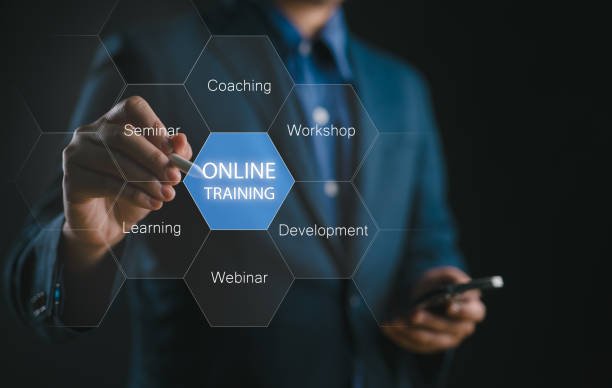
That’s where online training for frontline workforce development is transforming the game. Once considered an optional add-on, online learning has become a critical part of every modern training strategy. By integrating online training for frontline workforce development into existing programs, organizations create flexible, scalable, and engaging learning pathways that meet employees where they are.
In 2025 and beyond, forward-thinking companies are leveraging digital platforms to upskill their frontline teams combining accessibility, personalization, and real-time feedback to drive lasting performance improvement.
Why Online Training Matters for Frontline Workers
Today’s business climate demands agility. From healthcare to logistics, operations shift quickly, and employees must be prepared to adapt. Online training supports this by providing:
- Flexibility – Workers access modules anytime, anywhere even between shifts.
- Scalability – Large workforces across multiple sites can be trained consistently.
- Cost efficiency – Online platforms reduce travel, printing, and in-person training costs.
- Accessibility – Materials can be revisited as often as needed, supporting different learning speeds.
Ways Online Training Supplements Traditional Learning
1. Pre-Work Learning Modules
Before attending in-person sessions, frontline workers can complete short online courses covering basics. For example, nursing assistants can learn about infection control policies online before practicing them in the hospital setting.
2. Microlearning for Busy Shifts
Short videos, quizzes, or simulations provide quick refreshers. A security officer might complete a 7-minute scenario on de-escalation during downtime on shift.
3. Mobile-Friendly Training
Since frontline employees often don’t sit at desks, mobile training is essential. Food service workers can watch short tutorials on new equipment directly from their phones.
4. Blended Learning Programs
Organizations combine in-person coaching with online modules. For example, EVS technicians might attend live demonstrations of cleaning protocols, then complete online follow-ups to reinforce best practices.
5. Cross-Training Across Departments
Digital platforms make it easy to offer cross-functional learning. A supply chain worker might take an online module about office operations workflows, creating stronger collaboration across teams.
6. Tracking and Analytics
Managers can monitor progress, completion rates, and assessment scores. This data ensures training is not only delivered but also effective and measurable.
Benefits of Online Training for Frontline Leadership Development
- Confidence and Autonomy – Workers feel empowered when they can independently access and complete learning.
- Retention and Loyalty – Investment in online training signals that workers’ growth matters, reducing turnover.
- Stronger Leadership Pathways – Online leadership courses prepare frontline employees for shift lead or supervisory roles.
- Adaptability – Workers trained with digital tools adapt faster to new technologies on the job.
Example in Action
A food services department implemented mobile-based training on new kitchen safety protocols. Within weeks:
- Compliance scores improved by 20%.
- Staff reported higher confidence in handling equipment.
- Supervisors spent less time correcting errors, focusing instead on coaching leadership skills.
This highlights how online training doesn’t replace hands-on learning—it enhances it.
Final Thoughts
In 2025, the most successful organizations recognize that training is not one-size-fits-all. By supplementing in-person programs with online training, they create a blended learning ecosystem that supports frontline workers in every role, shift, and environment.
For healthcare transporters, EVS technicians, food service employees, supply chain teams, nursing assistants, security officers, and office staff, online training provides the flexibility, accessibility, and relevance needed to thrive in today’s fast-changing workplaces.
Call to Action
For blended training design, frontline workforce development, or supervisor coaching programs, contact Impact Training Company or connect with Donald Sipp Jr. on
LinkedIn: https://www.linkedin.com/in/donaldsippjrmba
website: https://impacttrainingcompany.com
About the Author
Donald Sipp Jr., MBA, PMP, CHESP, RESE, CHTI is a Senior Director at Ruck-Shockey Associates and Owner of Impact Training Company. He specializes in healthcare operations, environmental services leadership, support services transformation, and frontline workforce development. Donald is a published author in Infection Control Today and Smart Facility Software.
Read his published work:
Smart Facility Software: https://www.smartfacilitysoftware.com/insights/the-critical-role-of-floor-and-project-technicians-in-environmental-services
Infection Control Today: https://www.infectioncontroltoday.com/view/how-contaminated-is-your-stretcher-hidden-risks-hospital-wheels
